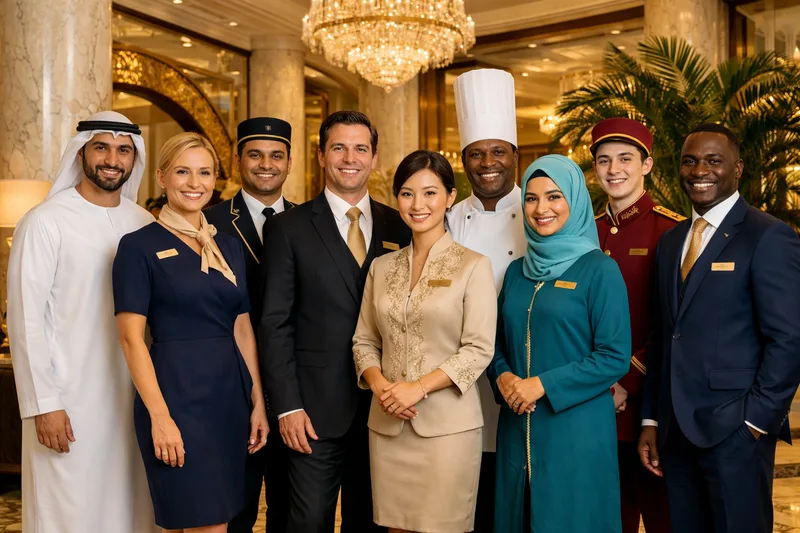
Cultural diversity plays a crucial role in shaping the hospitality landscape of Dubai. The city is a vibrant hub, where people from all walks of life come together, creating a rich blend of traditions and experiences. With an international population, Dubai offers a unique hospitality experience that makes every visit unforgettable.
The Impact of Cultural Diversity on Guest Experiences
Cultural diversity significantly enriches the guest experience. Visitors arrive in Dubai with diverse expectations shaped by their own backgrounds. A workforce that reflects this variety can provide personalized services that resonate deeply with guests.
For example, a traveler from Japan may appreciate a service approach that respects traditional Japanese hospitality, which emphasizes attention to detail and quiet efficiency. In contrast, a guest from Brazil might seek a lively and warm interaction that reflects their culture’s friendliness. Employees who understand these subtle preferences can adjust their service, enhancing the overall experience.
On the culinary front, cultural diversity dramatically expands menu offerings across the city. Restaurants often blend flavors from various regions, creating unique culinary experiences. According to a survey, 70% of visitors to Dubai cite diverse dining options as a top reason to extend their stay.
Cultural diversity also influences hotel design, entertainment, and events. Hotels featuring elements from different cultures, such as Moroccan tiles or Balinese gardens, create visually captivating environments.
Benefits of a Diverse Workforce
A diverse workforce in Dubai’s hospitality sector brings several advantages that enhance guest experiences. Firstly, it nurtures creativity and innovation. Employees from different backgrounds offer unique perspectives, leading to innovative solutions that cater to diverse tastes.
Language proficiency among staff significantly elevates the guest experience. A hotel with personnel fluent in multiple languages can resolve potential misunderstandings and provide a more comfortable environment. Research shows that hotels with multilingual staff see a 30% increase in positive guest feedback.
Employee satisfaction is another critical advantage of diversity. When staff feel valued for their unique cultural identities, they are more engaged and motivated. According to studies, workplaces that prioritize inclusion report a 50% increase in employee retention rates.
Another significant benefit is the ability to attract top talent. Companies that promote an inclusive environment can stand out in the job market, ensuring they recruit the most skilled and enthusiastic individuals.
Promoting Inclusivity in Hospitality Jobs
Fostering inclusivity is vital for both team dynamics and the growth of Dubai’s hospitality sector. Employers should actively integrate inclusivity into hiring practices and organizational policies.
Creating mentorship programs can facilitate cultural exchange and collaboration among employees from different backgrounds. Mandatory training programs on cultural sensitivity and inclusivity are equally essential.
Recruitment practices must reflect a commitment to diversity. Employers should aim to remove biases from job listings and recruitment strategies to attract a broad range of applicants.
In summary, the cultural diversity present in Dubai’s hospitality sector is not just an aspect of its international character; it is a vital element that shapes remarkable guest experiences. By embracing these strategies, Dubai’s hospitality industry can continue to thrive, offering guests a rich and memorable cultural experience that resonates long after their visit.